

Concerts
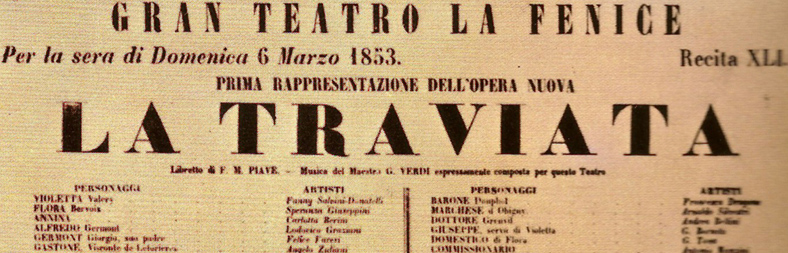
La Traviata-2012-2013
Giuseppe Verdi
La traviata
A melodramma in three acts
Libretto by Francesco Maria Piave based on the novel and play La dame aux camélias (The Lady of the Camellias) by Alexandre Dumas, fils
Music by Giuseppe Verdi
First performed in the Teatro La Fenice (The Phoenix opera house) in Venice on 6 March, 1853
Violetta Valéry (soprano)
Flora Bervoix (mezzo-soprano)
Annina (soprano)
Alfredo Germont (tenor)
Giorgio Germont, father of Alfredo (baritone)
Gastone, Viscount of Letorières (tenor)
Barone Douphol (baritone)
Marchese d’Obigny (bass)
Dottore Grenvil (Dr. Grenvil) (bass)
Giuseppe, Violetta’s servant (tenor)
Domestico di Flora (Flora’s servant) (bass)
Commissionario (a messenger) (bass)
DATES
- 29 September 2012 Palacio Euskalduna 20:00 h.
- 02 October 2012 Palacio Euskalduna 20:00 h.
- 05 October 2012 Palacio Euskalduna 20:00 h.
- 06 October 2012 Palacio Euskalduna 20:00 h.
- 08 October 2012 Palacio Euskalduna 20:00 h.
Venta de abonos, a partír del 8 de julio.
Venta de entradas, a partir del 15 de septiembre.
Meet here all the advantages of being BOS subscriber
La traviata
A melodramma in three acts
Libretto by Francesco Maria Piave based on the novel and play
La dame aux camélias (The Lady of the Camellias) by Alexandre Dumas, fils
Music by Giuseppe Verdi
First performed in the Teatro La Fenice (The Phoenix opera house) in Venice on 6 March, 1853
Violetta Valéry (soprano)
Flora Bervoix (mezzo-soprano)
Annina (soprano)
Alfredo Germont (tenor)
Giorgio Germont, father of Alfredo (baritone)
Gastone, Viscount of Letorières (tenor)
Barone Douphol (baritone)
Marchese d’Obigny (bass)
Dottore Grenvil (Dr. Grenvil) (bass)
Giuseppe, Violetta’s servant (tenor)
Domestico di Flora (Flora’s servant) (bass)
Commissionario (a messenger) (bass)
Place: Paris and its vicinity, about the year 1700, one August and the following January and February.
Act I
We are at the house of Violetta Valéry, a beautiful courtesan, where a party is being held. In attendance are her protector and official lover, Barone Douphol, her close friend Flora Bervoix, and other members of Parisian high society. In the course of the evening a friend of Violetta’s, Viscount Gastone de Letorières, introduces to her a handsome young man of good family, said to have been secretly in love with her for some time: Alfredo Germont. During the toast, Alfredo declares his passionate love for her, which Violetta brushes off.
When the time comes for dancing, Violetta has to leave the room where the party is because of a coughing fit brought on by her illness. Alfredo seizes the opportunity to declare his love to the young woman and give her a flower. Violetta, fearful of falling for the charming young man, agrees to a second meeting: when the flower he has given her begins to wilt – that is, the following day – they can see one another again.
The party ends and Violetta, once she is alone, sets to thinking about the young man she has just met, and about her life too. She is torn between the new life of love offered her by Alfredo, and her present life as a courtesan in a carefree world helping her throw off the shadow cast by her illness and the prospect of dying young. Her ears catch Alfredo’s voice in the distance, and she seems to make up her mind.
Act II
Alfredo and Violetta have been happy together for several months. But just when everything seemed perfect, Alfredo learns from Annina, Violetta’s maid, that the upkeep of their new home in the country is forcing the sale of all her possessions. So Alfredo heads for Paris to seek financial help and lighten Violetta’s load.
Alone at home, Violetta has an unexpected visitor: Alfredo’s father, Giorgio Germont. He tells her that her relationship with his son is bringing shame upon the family. Giorgio tells Violetta about his daughter, Alfredo’s sister, whose fiancé’s family are blocking their marriage so long as Violetta is living with Alfredo. He chides her for seizing her chance at happiness in the knowledge that, with her reputation, she can never marry. He pleads earnestly with Violetta to break off her relationship with Alfredo, although he cannot help feeling impressed by her ladylike demeanour and he believes she is sincere. Violetta breaks down in tears, agreeing to do as he asks. When Giorgio leaves, Violetta starts on a letter saying goodbye to Alfredo but not telling him what prompted it. As she writes, Alfredo enters and is surprised to find her distraught. She assures him of her undying love and hurriedly leaves for Paris. After reading the letter she left for him, the anguished Alfredo is comforted by his father, who offers no explanation either as to what got into Violetta. Giorgio recommends that Alfredo return with his family to Provence. But Alfredo is bent on getting even with her.
Once in Paris, Flora holds a reception, to which Violetta comes on the arm of her old flame, Barone Douphol. The tension mounts when they run into Alfredo, looking cruelly indifferent. Violetta speaks to Alfredo in private and asks him to go for fear that her present lover might be stung into killing him, but Alfredo laughs it off. Leaving the gambling table with his winnings, Alfredo joins the guests and states that he wants to repay Violetta, before witnesses, all the money she has spent on him. He flings his winnings at her feet. Violetta is devastated. The guests feel Alfredo should show more respect to a woman. Giorgio, who has just entered in search of his son, chides him in public for such bad manners. Barone Douphol challenges Alfredo to a duel. Violetta faints onto the floor.
Act III
Over a month has gone by, during which time Violetta’s health has failed. Consumption (tuberculosis) is about to claim her life. In her Paris bedroom, Annina nurses her and reads to her over and over again a letter from Giorgio Germont, in the hope that it will bring her comfort. In it he tells her that Alfredo, after wounding Barone Douphol in the duel, had to leave the country. But Giorgio has now told his son the whole story, and Alfredo is on his way to ask her forgiveness. Violetta fears he may not get to her in time to say goodbye.
But Alfredo does, and the lovers embrace, remembering with nostalgia the happiness they shared. For a moment, it seems as if they may get a second chance, but Violetta is dying. She summons all her strength to give him her portrait and ask him to remake his life with a woman deserving of him. Violetta finds herself free from pain, only to die minutes later in Alfredo’s arms.
Marc Heilbron, ABAO-OLBE Season Book 2012-13

Calendar of Events
Related events
Cámara 5
Place:
200 Arriaga
C. Frühling
Trío para clarinete, violoncello y piano en la menor Op. 40
Trío de clarinete, violonchelo y piano BOS
J. C. Arriaga
Cuarteto nº 3 en Mi bemol Mayor
Cuarteto de cuerda BOS

La 5ª de Tchaikovsky
Place: Euskalduna Palace,Bilbao
Cuando Tchaikovsky presentó al mundo su quinta sinfonía, ya era considerado el primer compositor de Rusia, un país que se tomaba muy en serio la música. Y en ella cumplió el objetivo de los grandes: sonar universal sin renunciar a sus raíces nacionales. Shostakovich, por su parte, se dió una tregua para regalar un precioso concierto, ligero, elegiaco y ensoñador, a su hijo Maxim. Para abrir, un joven Ligeti rindiendo homenaje al folklore de su Rumanía natal.
G. Ligeti
Concert Românesc
D. Shostakovich
Concierto nº 2 para piano y orquesta en Fa Mayor Op. 102
P. I. Tchaikovsky
Sinfonía nº 5 en mi menor Op. 64
Simon Trpčeski, piano
Pablo González, director
Borrani y la Concertante de Mozart
Place: Euskalduna Palace,Bilbao
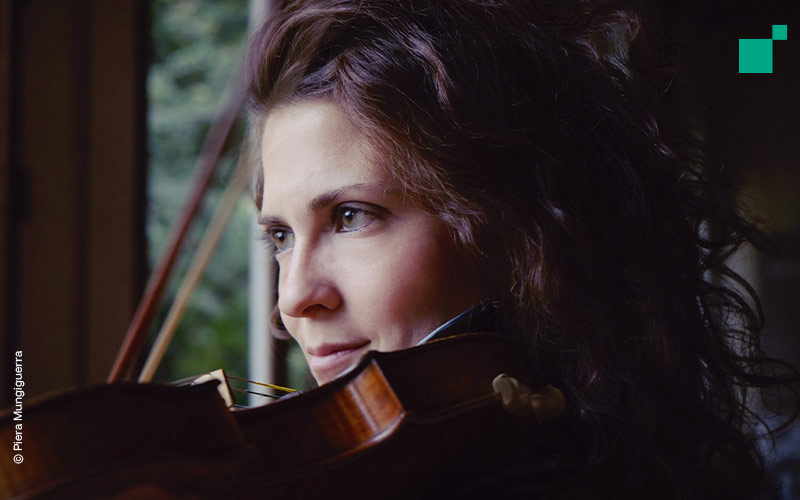
Cada visita de Lorenza Borrani es sinónimo de riesgo y emoción. En esta ocasión alternará como violinista en la maravillosa Sinfonía concertante de Mozart, junto a nuestro solista de viola Lander Echevarria, y como directora frente a la Sinfonía nº 4, apodada “Trágica” por el propio Schubert. Una obra que, como mucha de su música orquestal, el compositor no llegó a escuchar estrenada en vida.
W. A. Mozart
Divertimento en Fa Mayor K. 138
Sinfonía concertante para violín, viola, y orquesta en Mi bemol Mayor K.364
F. Schubert
Sinfonía nº 4 en do menor D. 417 “Trágica”
Lander Echevarria, viola
Lorenza Borrani, violín-directora
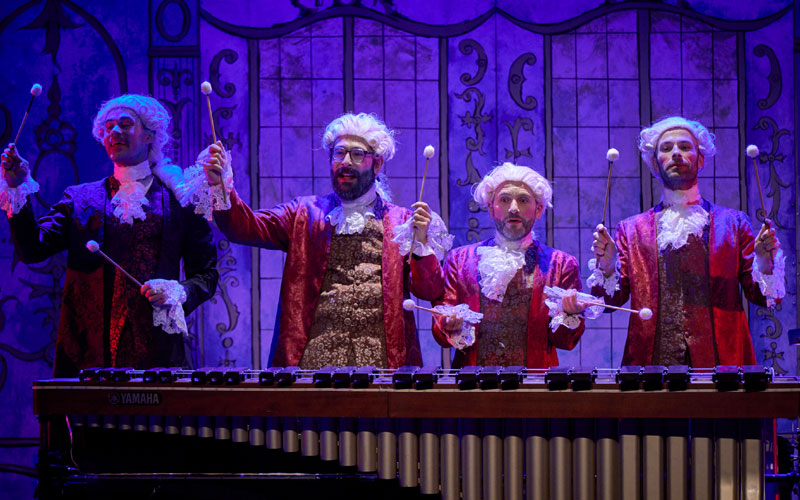
Conciertos en familia: Molto Barroco
Place: Euskalduna Bilbao Sala 0B Aretoa

El Rey le ha encargado al Compositor de la corte una pieza muy especial. Esta solicitud desencadena una serie de escenas cómicas entre el Compositor y sus tres músicos de cámara en las que tienen cabida todo tipo de gags, rutinas cómicas y musicales, bailes y hasta juegos malabares. Molto Barroco es una comedia de enredo entre el Rey, su prometida y, quizás, futura Reina y el Compositor. Un triángulo amoroso que contará con la complicidad de un Bufón de actitud irreverente.
Compañía: Píscore Teatro
Músicos: Pepe Varela, Diego Rosal, Félix Rodríguez, Pablo Cabanelas
Dirección: Fran Rei
Castellano
A partir de 6 años
Duración: 70’